
Smarter at Sea: The Digital Technology Behind HSL’s 2028 Newbuilds
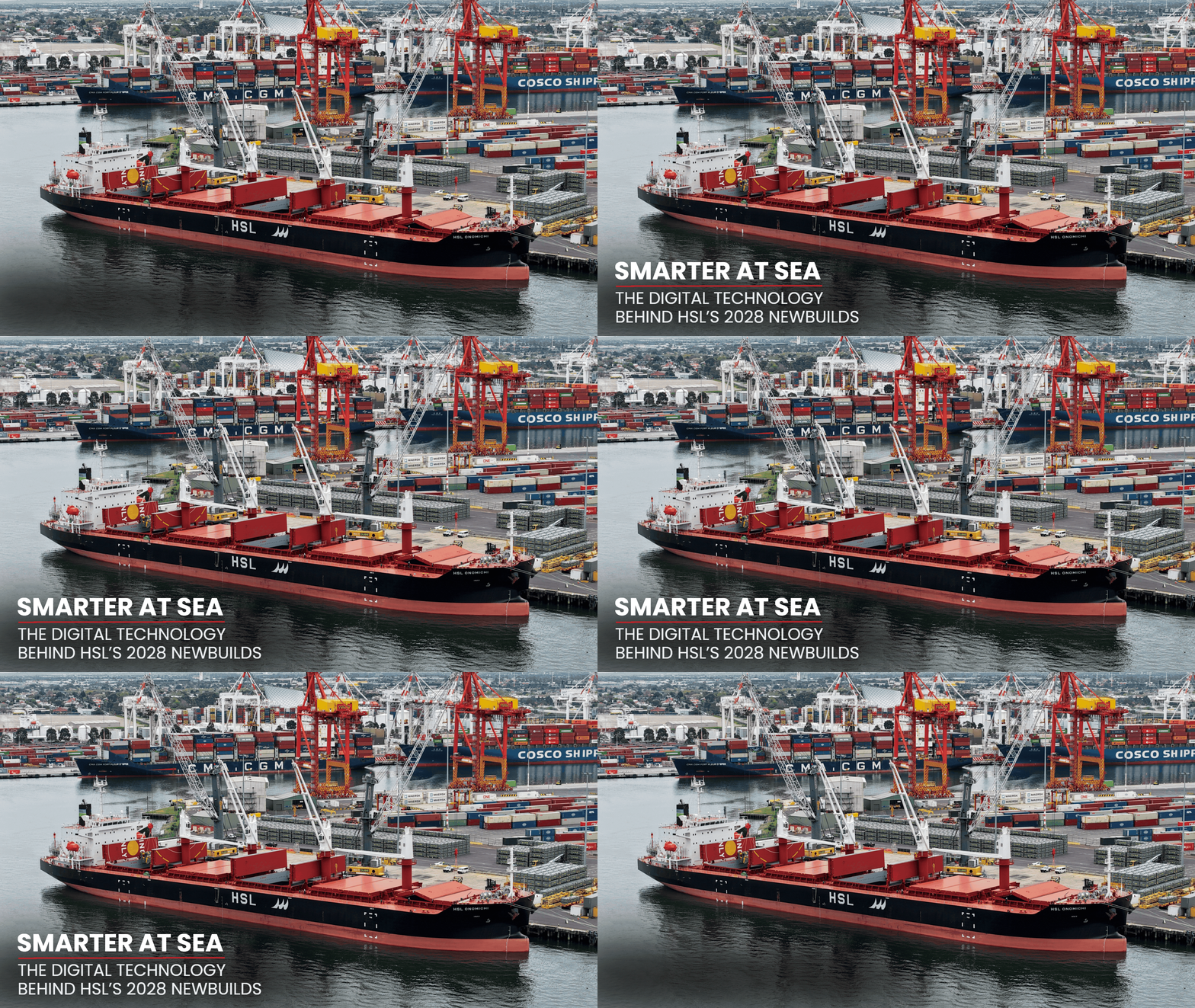

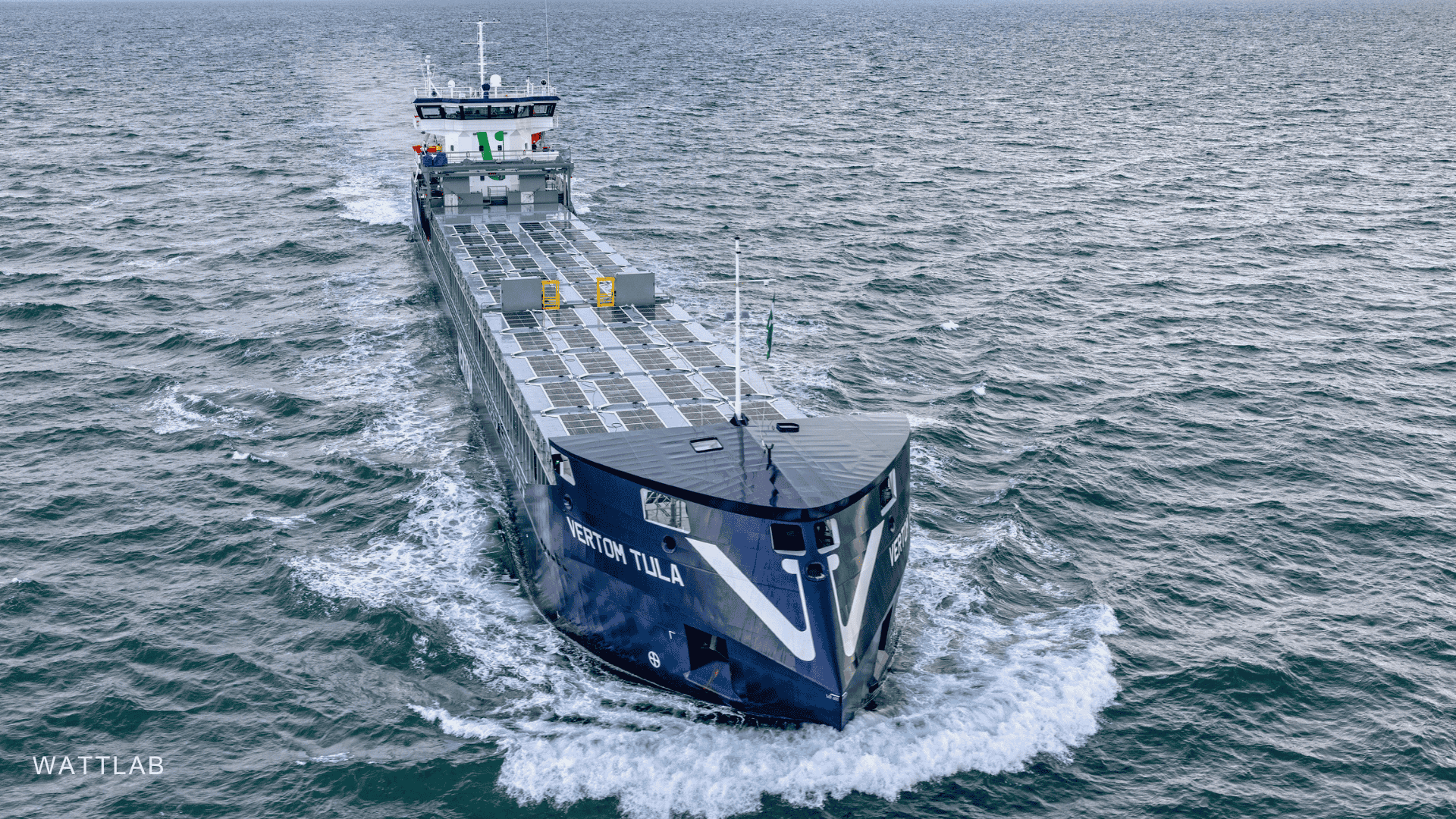
Hudson Shipping Lines is excited to share a first look at the technology aboard one of the new additions to our HSL Series fleet scheduled for delivery in 2028. Shipping is often thought of in terms of steel, engines, and cargo, but some of the most important advances aboard today’s vessels can’t be seen at all. To learn more, we spoke with Ivan Leonov, HSL’s Charterers’ Marine Superintendent, about the digital innovations that will set this newbuild apart.
Ivan brings nearly 30 years of maritime experience to the role, including about 22 years at sea, where he rose from Officer of the Watch to Master aboard container ships, bulk carriers, Ro-Ro vessels, ferries, and general cargo ships. He has been with HSL for seven years, the last five and a half as Marine Superintendent. Based in our Varna office, he spends much of his time aboard fleet vessels and on voyages worldwide, handling port captaincy, technical assistance, complex prestow planning, and retrofits. That hands-on time aboard our ships has given him a specialized perspective of how vessel technology has changed over time, and a look into what is to come.
Many of the changes aboard our newbuilds are digital. The new vessel will carry two class notations from Class NK that are new to the HSL Series. The first is CybR (Cyber Resilience), a program that confirms cybersecurity measures have been built into the vessel’s computer-based systems. The second is DSS (Digital Smart Ship), which covers energy efficiency, hull monitoring, and the transfer of data from ship to shore. Both are among the newest notations in the industry, and Ivan expects them to become more widespread across global shipping in the years ahead.
Another new advancement among our newbuilds will be in their navigation abilities. In addition to the traditional gyro and magnetic compasses found on every vessel, newbuilds will be equipped with a GNSS (Global Navigation Satellite System) compass, which determines the ship’s heading using satellite signals. This gives the crew another independent means of steering, which is especially valuable in polar regions, where conventional compasses can be less reliable.
For Ivan, these features represent the next chapter of a long tenure at sea. “All those innovations are new for me also, and I am looking forward to opportunities to see them on board the ships and explore them,” he said. At Hudson Shipping Lines, we share in that excitement, and we look forward to welcoming this new slate of technology to the HSL Series in 2028.
Recent News























































DISCLAIMER: The information contained in this website, as well as all trademarks and logos displayed therein, belong solely to Hudson Shipping Lines (Hudson), and may not be copied or reproduced in any format for either public or commercial use without the express written consent of Hudson. Furthermore, Hudson may change said information at any time without prior notice. Though Hudson takes reasonable measures to ensure the accuracy of the content of this website, and the correct operation of same, Hudson does not guarantee the completeness of this information at all times. Therefore, said information must always be verified by contacting Hudson's local offices prior to acting upon it. Neither Hudson, nor any third party connected with Hudson, can be held liable for any direct or indirect damages derived from accessing this website and the information contained therein. Hudson assumes no responsibility for the content of any web links made available on this site.