Back To Home
SCM TOP WORLD NEWS

Major Ports in China Still Backlogged Weeks After Super Typhoon Bavi, And Another Storm Approaches
Public Relations
August 5, 2026

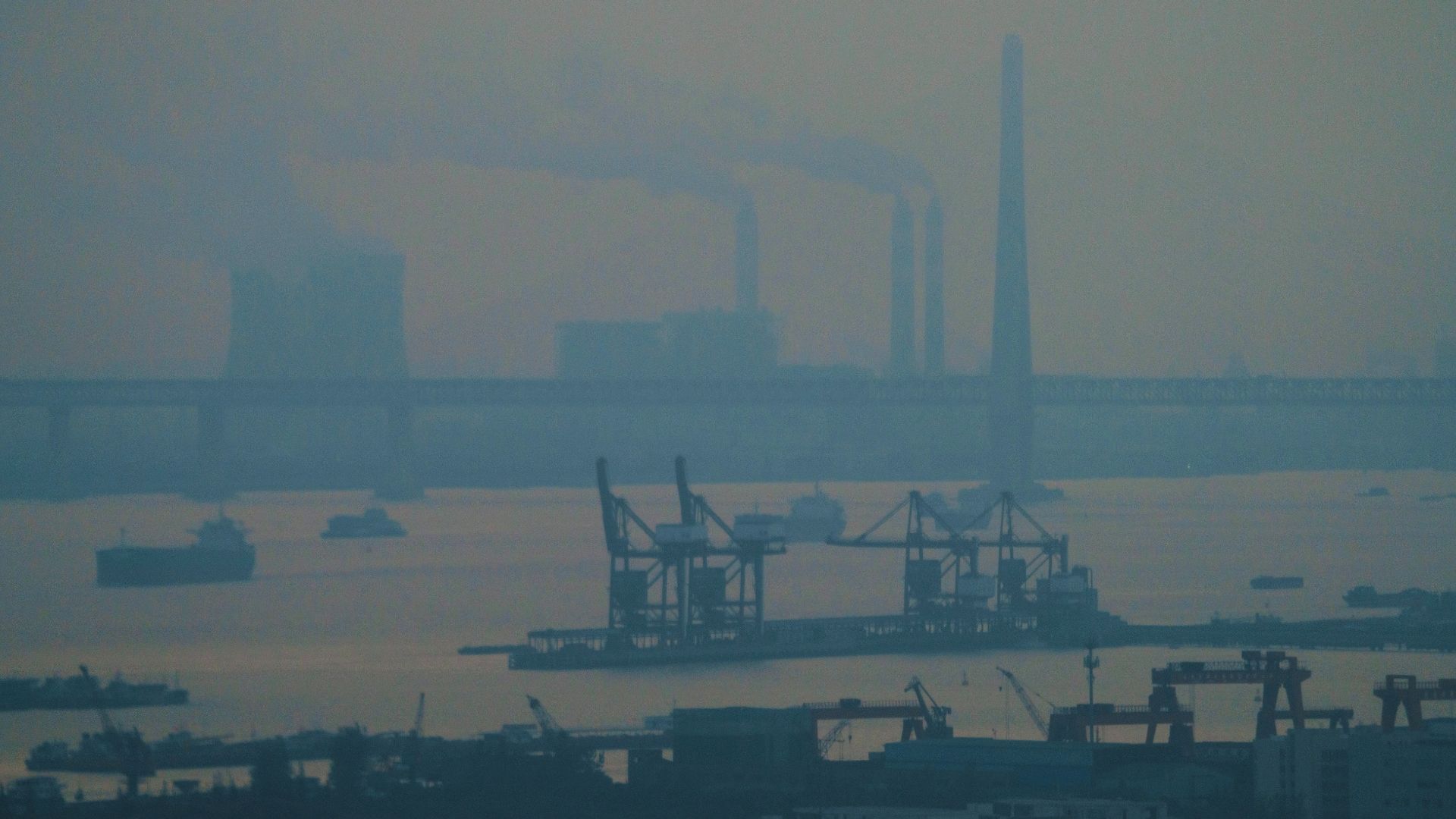
Container terminals in Shanghai and Ningbo, the world's first and third busiest ports by volume, are still working through a vessel backlog weeks after Super Typhoon Bavi forced a pause in their operations, and a new storm system is now looming.

What Happened

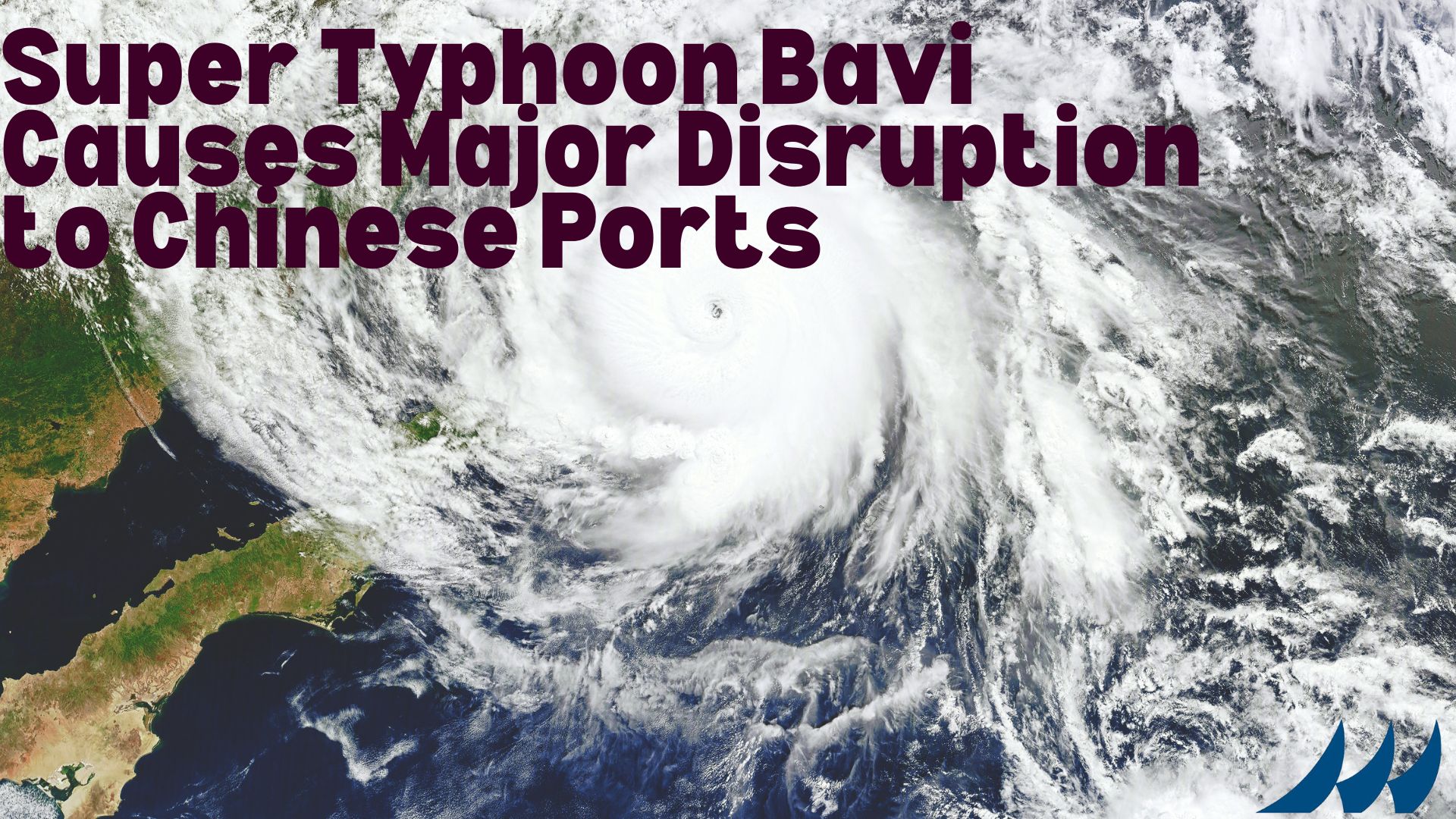
Bavi peaked in early July as a Category 5 super typhoon and one of the largest storms on record, with a cloud system spanning more than 1,000 kilometers across. It weakened significantly before making landfall in southeastern China's Zhejiang province in mid-July, coming ashore as a much less intense typhoon. Even so, the storm triggered mandatory evacuations and forced the closure of terminals at Shanghai, Ningbo, and Qingdao, halting vessel operations and inland cargo movement for several days.

According to shipping data provider Linerlytica, the shutdown stranded an estimated 2 million twenty-foot equivalent units (TEUs) of container capacity across North Asian ports. When Shanghai's terminals fully reopened the following Monday, the anchorage queue had more than doubled from the previous week.

Congestion Has Worsened, Not Cleared

The backlog has proven difficult to undo. Linerlytica has said the resulting vessel backlog, berth congestion, and schedule disruption could take several weeks to fully clear, even though the ports themselves reopened within days. Reported vessel delays around Shanghai have ranged from three to six days, with cargo owners warned that some shipments could see additional delays of up to five days on top of normal transit times.

Part of the slow recovery reflects congestion that was already building before Bavi struck. Global port congestion had reached its highest level in four years by late June, with almost 11% of the world's container fleet waiting at anchorage as of June 28, according to Linerlytica — driven in part by "vessel bunching," when clusters of ships arrive in short windows and overwhelm terminal capacity. The typhoon hit an already-strained system, compounding a backlog that was building well before the storm made landfall.

Carriers Adjusting Capacity Among Elevated Rates

To keep remaining vessels on schedule, ocean carriers have leaned on canceled voyages and port omissions. Skipping a port call is a standard mechanism for absorbing schedule disruptions, but it also further tightens available capacity. The disruption has landed in a market where transpacific spot rates were already up more than 120% since mid-May and peak-season surcharges from multiple carriers were stacking on top of base rates, according to freight market reporting.

A Second Storm On The Horizon

Intensifying the uncertainty, a new system named Super Typhoon Dolphin has since formed in the area. Its track remains undefined, but if it moves toward Shanghai or nearby port clusters around August 6, it could trigger a fresh round of closures before the Bavi-related backlog has cleared, extending an already elevated risk period for shippers moving goods through East China.

Why It Matters

For companies sourcing from or shipping through East China, the episode is a reminder that port disruptions rarely resolve as quickly as the weather event that caused them. Longer vessel queues, blank sailings, and limited capacity can ripple into inventory planning and costs for weeks after a storm passes, particularly when, as in this case, the disruption hits a network that was already running with limited slack.

Apply Now

Recent News

August 5, 2026
|
Public Relations
|
SCM TOP WORLD NEWS

Major Ports in China Still Backlogged Weeks After Super Typhoon Bavi, And Another Storm Approaches

Container terminals in Shanghai and Ningbo, the world's first and third busiest ports by volume, are still working through a vessel backlog weeks after Super Typhoon Bavi forced a pause in their operations, and a new storm system is now looming.

What Happened

Bavi peaked in early July as a Category 5 super typhoon and one of the largest storms on record, with a cloud system spanning more than 1,000 kilometers across. It weakened significantly before making landfall in southeastern China's Zhejiang province in mid-July, coming ashore as a much less intense typhoon. Even so, the storm triggered mandatory evacuations and forced the closure of terminals at Shanghai, Ningbo, and Qingdao, halting vessel operations and inland cargo movement for several days.

According to shipping data provider Linerlytica, the shutdown stranded an estimated 2 million twenty-foot equivalent units (TEUs) of container capacity across North Asian ports. When Shanghai's terminals fully reopened the following Monday, the anchorage queue had more than doubled from the previous week.

Congestion Has Worsened, Not Cleared

The backlog has proven difficult to undo. Linerlytica has said the resulting vessel backlog, berth congestion, and schedule disruption could take several weeks to fully clear, even though the ports themselves reopened within days. Reported vessel delays around Shanghai have ranged from three to six days, with cargo owners warned that some shipments could see additional delays of up to five days on top of normal transit times.

Part of the slow recovery reflects congestion that was already building before Bavi struck. Global port congestion had reached its highest level in four years by late June, with almost 11% of the world's container fleet waiting at anchorage as of June 28, according to Linerlytica — driven in part by "vessel bunching," when clusters of ships arrive in short windows and overwhelm terminal capacity. The typhoon hit an already-strained system, compounding a backlog that was building well before the storm made landfall.

Carriers Adjusting Capacity Among Elevated Rates

To keep remaining vessels on schedule, ocean carriers have leaned on canceled voyages and port omissions. Skipping a port call is a standard mechanism for absorbing schedule disruptions, but it also further tightens available capacity. The disruption has landed in a market where transpacific spot rates were already up more than 120% since mid-May and peak-season surcharges from multiple carriers were stacking on top of base rates, according to freight market reporting.

A Second Storm On The Horizon

Intensifying the uncertainty, a new system named Super Typhoon Dolphin has since formed in the area. Its track remains undefined, but if it moves toward Shanghai or nearby port clusters around August 6, it could trigger a fresh round of closures before the Bavi-related backlog has cleared, extending an already elevated risk period for shippers moving goods through East China.

Why It Matters

For companies sourcing from or shipping through East China, the episode is a reminder that port disruptions rarely resolve as quickly as the weather event that caused them. Longer vessel queues, blank sailings, and limited capacity can ripple into inventory planning and costs for weeks after a storm passes, particularly when, as in this case, the disruption hits a network that was already running with limited slack.

Recent News

We value your privacy

We use cookies to enhance your browsing experience, serve personalized ads or content, and analyze our traffic. By clicking "Accept All", you consent to our use of cookies. Read our Privacy Policy and Terms & Conditions.

Manage Your Cookie Preferences

Choose which cookies you allow
Strictly necessary
Required for the site to function. Always on.
Remember settings and improve your experience.
Help us understand traffic and improve the website.
Personalized ads/content and marketing measurement.

Browser cookie settings (optional):