Port Congestion Reaches a Four-Year High, Tying Up About 12% of Global Container Capacity
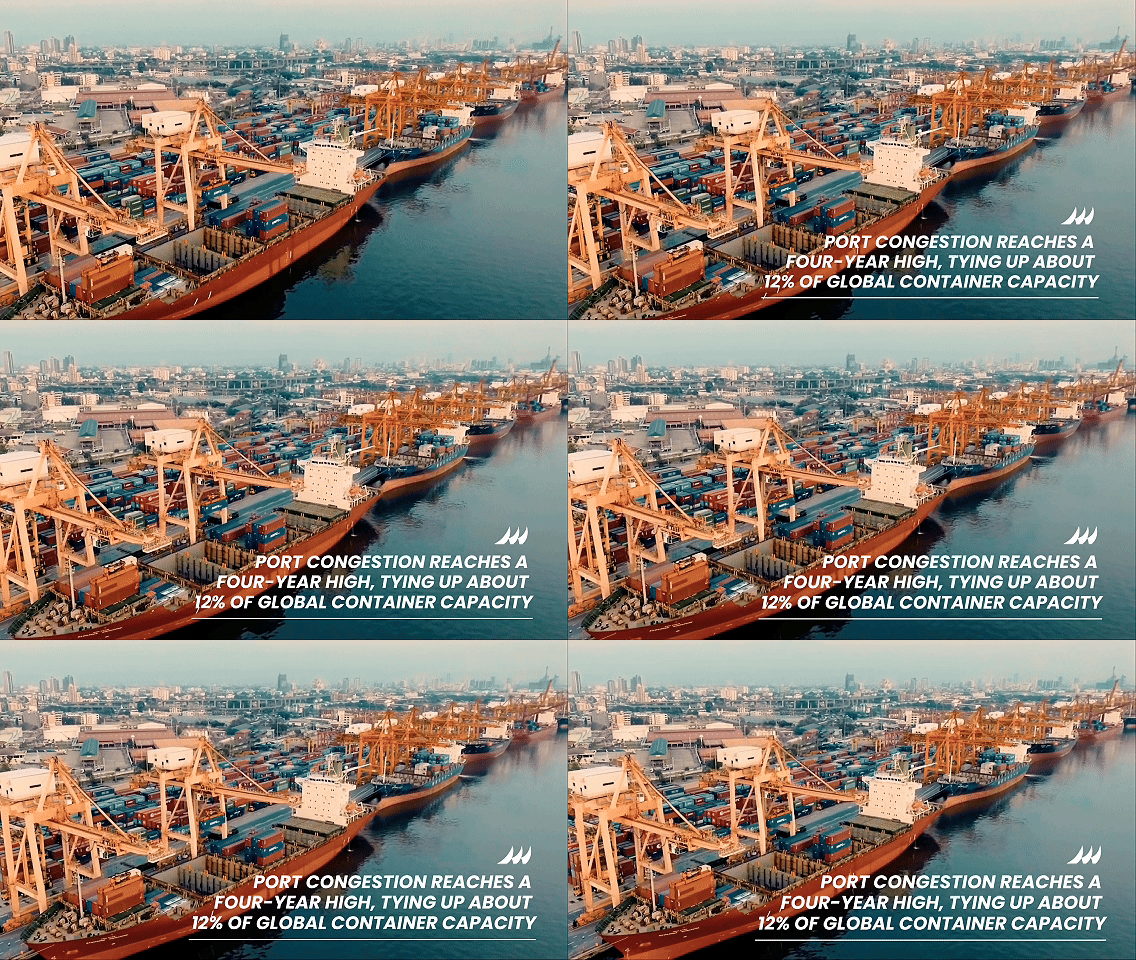

Port congestion is now absorbing roughly 12% of global container vessel capacity, a four-year high, according to C.H. Robinson’s October 2026 freight market update. The strain is heaviest in East Asia, North Europe and the Indian Subcontinent, and it is cutting into scheduling reliability for importers and exporters.
The report says reliability has fallen sharply because of port congestion, vessel bunching, typhoons, conditions in the Middle East and restrictions at the Panama Canal. After recent typhoons, some carriers have skipped ports. Cargo bound for those ports may wait for another feeder vessel, move through a different hub or take an alternate service.
Vessel capacity itself is available. The report describes the problem as uneven reliability, with usable space depending on port congestion and how quickly schedules are able to recover.
On Asia to North America routes, Golden Week blank sailings from October 1 to 7 were expected to reduce effective capacity through about mid-October. The first departures after the holiday are generally the most exposed to rollovers, when containers are bumped to a later sailing. Pricing is firmer and space is tighter, and the U.S. East Coast is expected to remain tighter than the West Coast.
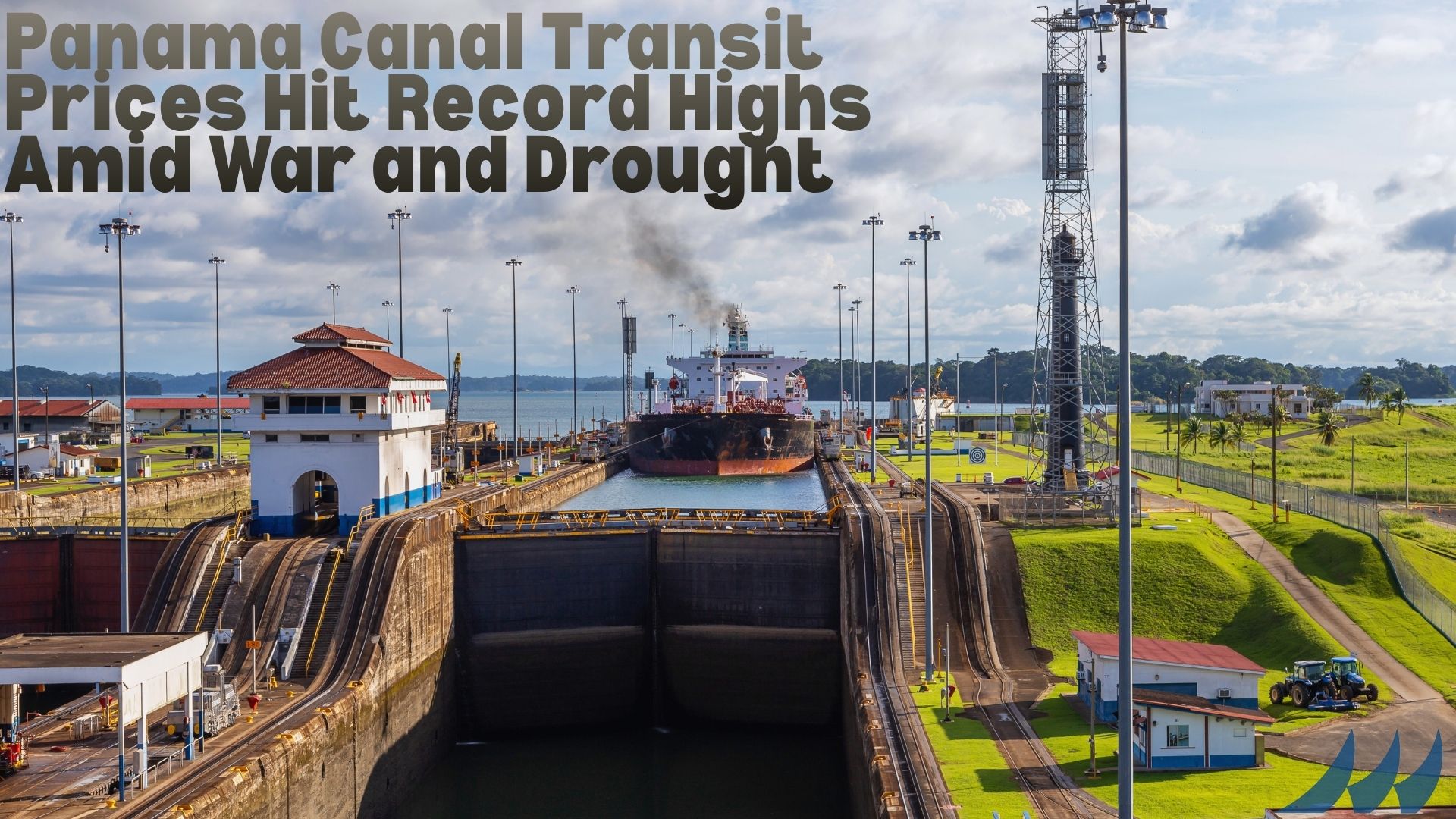
A planned October 1 draft reduction for Neopanamax vessels at the Panama Canal was cancelled. Daily canal transits had already fallen from 34 to 32 on September 15, and reservation delays remain a watch item for Asia to U.S. East Coast services.
Asia to Europe rates are easing into North Europe and the Mediterranean. The report credits ample vessel supply and a selective return to Suez Canal routings. Sea-Intelligence estimates that 27% of September Asia–Europe capacity in both directions was routed through the Red Sea and Suez Canal, with the return less advanced on Asia-to-Europe services.
Congestion at Rotterdam, Antwerp and Hamburg is the main counterweight, causing missed connections and inconsistent transit times. The report cautions that the benefit of Suez routings could reverse if Red Sea or Middle East security conditions worsen, including around the Strait of Hormuz.
C.H. Robinson noted several items to watch for the rest of October: rollovers on the first post-Golden Week Trans-Pacific sailings and whether space normalizes after mid-October; port omissions and revised rotations at major Asian gateways; further Suez service restorations or renewed Cape routings; Colombo feeder delays and equipment availability in South India; and Panama Canal reservation delays.
For shippers, the practical effect is longer lead times and less predictable arrival dates, particularly on Trans-Pacific and India services, especially as holiday inventory moves.
Recent News











































DISCLAIMER: The information contained in this website, as well as all trademarks and logos displayed therein, belong solely to Hudson Shipping Lines (Hudson), and may not be copied or reproduced in any format for either public or commercial use without the express written consent of Hudson. Furthermore, Hudson may change said information at any time without prior notice. Though Hudson takes reasonable measures to ensure the accuracy of the content of this website, and the correct operation of same, Hudson does not guarantee the completeness of this information at all times. Therefore, said information must always be verified by contacting Hudson's local offices prior to acting upon it. Neither Hudson, nor any third party connected with Hudson, can be held liable for any direct or indirect damages derived from accessing this website and the information contained therein. Hudson assumes no responsibility for the content of any web links made available on this site.