Evasive at Sea: Zombie Ships, Shadow Fleets, and the Strait of Hormuz
.png)

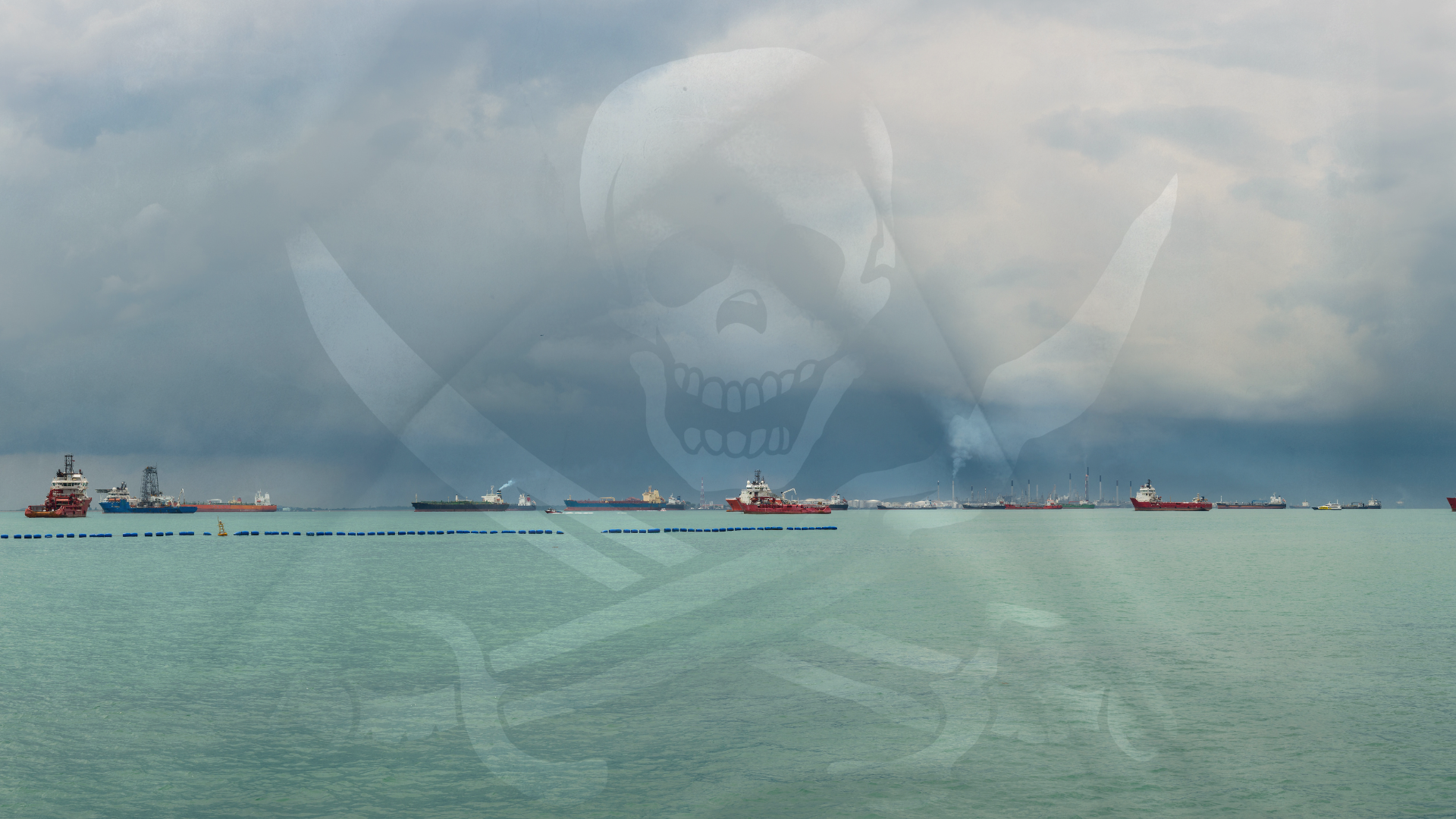
A growing number of vessels are operating outside of conventional boundaries as the landscape of maritime trade, sanctions, and oversight continues to shift. While sometimes referred to interchangeably, ‘zombie ships’ and ‘shadow fleets’, use different tactics to evade detection and describe slightly different risks within the same ecosystem. The tactics used by zombie ships are now giving them the advantage since the start of the Iran war, where the humans operating these ‘zombies’ dare to sail the Strait of Hormuz.
A ‘shadow fleet’ generally refers to a network of vessels used to transport sanctioned cargo through evasive tactics while remaining active in global trade, often on the high seas outside of legal jurisdiction. ‘Zombie ships’, by contrast, are vessels that continue sailing under the recycled or stolen identities of a ship that has already been scrapped. By reusing IMO numbers, manipulating Automatic Identification Systems (AIS), and changing flags, these ships can still appear to be compliant and legitimate.
The proliferation of ‘zombie ships’ and ‘shadow fleets’ combined with the brazenness of ‘zombie ship’ movements through the Strait of Hormuz, is a reminder that maritime risk today extends well beyond freight rates and voyage economics. In an increasingly fragmented regulatory landscape, robust due diligence, ownership transparency, and vessel vetting are becoming more critical than ever.
Recent News
.gif)








.jpg)

.jpg)

.gif)
.png)
.gif)











.jpg)
















.jpg)





.png)
.png)
.png)
.gif)
.png)
.png)
.png)
.gif)
.png)


.png)
.gif)

.png)
.png)


.gif)
.png)


.png)
.png)

.png)
.png)


.png)
.gif)


.svg)
.svg)

DISCLAIMER: The information contained in this website, as well as all trademarks and logos displayed therein, belong solely to Hudson Shipping Lines (Hudson), and may not be copied or reproduced in any format for either public or commercial use without the express written consent of Hudson. Furthermore, Hudson may change said information at any time without prior notice. Though Hudson takes reasonable measures to ensure the accuracy of the content of this website, and the correct operation of same, Hudson does not guarantee the completeness of this information at all times. Therefore, said information must always be verified by contacting Hudson's local offices prior to acting upon it. Neither Hudson, nor any third party connected with Hudson, can be held liable for any direct or indirect damages derived from accessing this website and the information contained therein. Hudson assumes no responsibility for the content of any web links made available on this site.



.jpg)

.gif)
